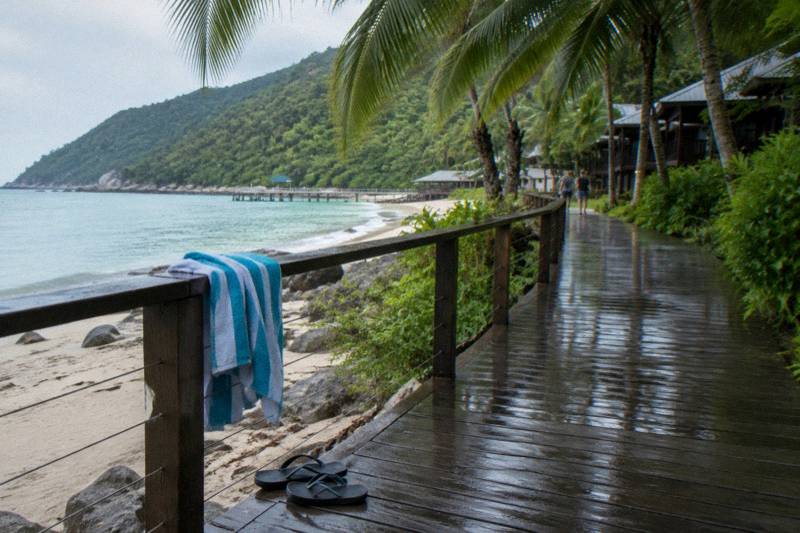
What Is The Best Month To Visit Fitzroy Island?
A month by month verdict on the best time to visit Fitzroy Island, using Cairns Bureau of Meteorology climate averages, stinger season timing, cyclone season dates and live reef condition reporting.
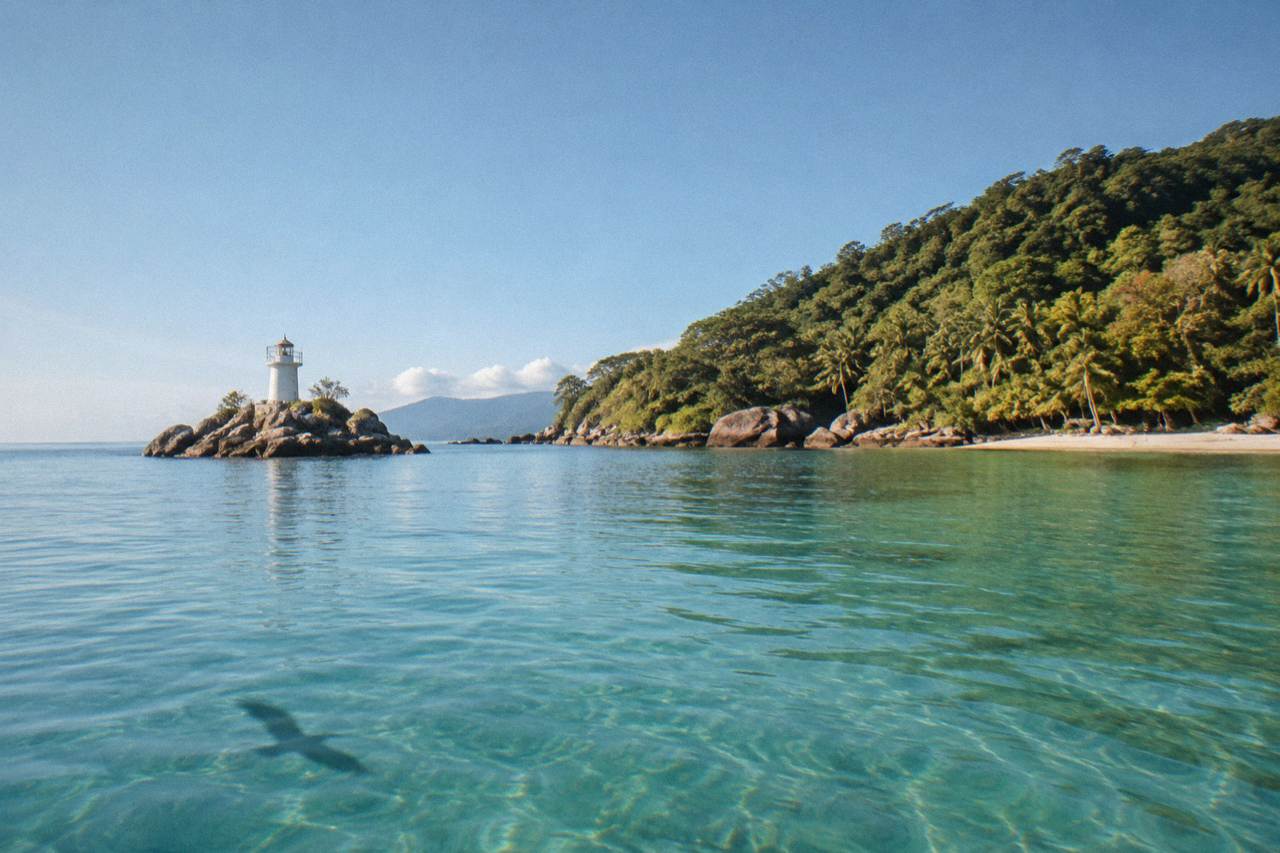
What Is The Best Month To Visit Fitzroy Island?
September is the best month to visit Fitzroy Island, with October a close second. Both sit at the dry end of the Cairns climate record, averaging 34.1mm and 47.2mm of rain across roughly five to six rain days. Stinger risk is easing toward its November-to-May window, the 45 minute crossing is usually calm, and every ferry listing, from the A$88 half days to the Sunlover transfers, runs daily. If you're planning water time beyond the island, our guide on whether you can still swim in the Great Barrier Reef explains how stinger season shapes swims around Cairns and which tours actually get you in the water.
September earns the verdict on rainfall. The Bureau of Meteorology's long-term averages for Cairns, the nearest recording station to the island, put September at 34.1mm of rain across 4.9 rain days, the driest entry in the whole table alongside August. October is close behind at 47.2mm and 5.7 days. Compare that with February, the wettest month at 437.5mm across 16.1 rain days, and the shape of the year becomes obvious: a wet season that builds from November, peaks January to March, and then drains away through a dry season running roughly May to October.
The island is 25km east of Cairns, and almost everything about the day depends on that crossing. A fast catamaran covers it in about 45 minutes, but a wet-season morning with squalls and a stiff easterly can make the ride lumpy and cut into the shore snorkelling time that Welcome Bay and Nudey Beach are known for. Choosing a month is really choosing the weather your boat, and your beach hours, are exposed to. A reader choosing a month is choosing a date to book, and the listings price the same all year: the Fitzroy Island Adventures full day sits at from A$108 per person whether you travel in July or in February. For a straight answer on whether those flat fares buy a day that actually delivers, our honest verdict on the Fitzroy Island day trip weighs the cost against what you get once you step off the boat.
That price flatness matters because the trade-off between months is almost entirely about conditions, not cost. The cheapest listed trips, the two Fitzroy Flyer half days at from A$88 per person, run year-round. So do the full-day ferry options from A$105 and the guided snorkel safari at from A$168. What changes month to month is rain, heat, humidity, stinger risk and the chance a cyclone watch disrupts your plans. If any of those risks sound like dealbreakers, our guide to the months to avoid in Cairns shows how to pick a safer date for your island day.
Which Months Have The Least Rain?
June through October are the driest months, with long-term monthly rainfall averages running from 26.5mm in August to 47.2mm in October. January, February and March are the wettest at 404.8mm, 437.5mm and 422.1mm respectively, with 15 to 16 rain days each. May and November are transitional, and December ramps back toward the wet season at 193.8mm.
The full picture comes from the Bureau of Meteorology's averages for Cairns, compiled from records stretching back to 1942. The table below shows what each month delivers in maximum and minimum temperature, rainfall and rain days. This is the climate, not a forecast for your particular week, but twelve months of averages is the most honest tool available for picking a month.
| Month | Mean max (C) | Mean min (C) | Rainfall (mm) | Rain days (1mm+) |
|---|---|---|---|---|
| January | 31.5 | 23.8 | 404.8 | 15.8 |
| February | 31.3 | 23.8 | 437.5 | 16.1 |
| March | 30.7 | 23.2 | 422.1 | 16.0 |
| April | 29.4 | 21.8 | 201.8 | 14.5 |
| May | 27.7 | 20.0 | 92.0 | 10.5 |
| June | 26.1 | 18.0 | 45.5 | 7.0 |
| July | 25.9 | 17.2 | 33.2 | 5.7 |
| August | 26.7 | 17.4 | 26.5 | 4.9 |
| September | 28.2 | 18.8 | 34.1 | 4.9 |
| October | 29.7 | 20.7 | 47.2 | 5.7 |
| November | 30.8 | 22.4 | 87.9 | 7.8 |
| December | 31.5 | 23.4 | 193.8 | 10.7 |
Two readings of that table are worth pulling out. First, the dry season is genuinely dry: July and August average barely a third of November's rainfall, and September's 34.1mm is less than a tenth of March's total. Second, wet-season rain in the tropics is not the all-day drizzle of southern latitudes. It tends to arrive as heavy afternoon or overnight showers, and plenty of wet-season days still contain usable island hours. What the averages cannot tell you is whether your Tuesday will be the shower, so travellers booking January to March should build a flexible day into the itinerary and treat the forecast in the final 48 hours as the real decision point.
Temperature comfort follows the same curve. July mornings bottom out at a mean minimum of 17.2 degrees, which feels cool on a boat deck at 8am, while January to March hold overnight lows near 23 to 24 degrees and daytime maxima above 30 with high humidity. June to August suits travellers who dislike heat; September and October deliver warmer water and warmer mornings without the wet-season peak. Our fuller seasonal breakdown lives in the Fitzroy Island weather and best time guide, which also covers what to pack for each part of the year.
The rain data should shape which listing you book, not just when. On a dry-season day with a reliable forecast, the ten-hour Fitzroy Flyer day trip at from A$105 per person gives the most island time of any listing, enough for a walk, a long swim and an unhurried afternoon. In the wetter months, a shorter commitment, like a morning half day, leaves you less exposed to an afternoon downpour.
When Is Stinger Season And Does It Change The Best Month?
Stinger suit advice applies November to May, with higher risk from October. Box jellyfish and Irukandji may be present year-round, so the resort advises suits whenever you swim or snorkel, and reef operators supply them. If swimming without a suit matters to you, June to September is the lowest-risk window, which is another reason September takes the verdict.
The resort's own guidance is the clearest statement available: stingers "might be present year-round, but there is a higher risk between October and May", and full-body stinger suits are advised for swimming and snorkelling, with hire available and vinegar stations placed around the resort. That phrasing deserves care. It does not promise a stinger-free June, and it does not declare the water dangerous in December; it describes a season of elevated risk. What is not verified either way is whether the Welcome Bay swimming area is netted, so treat any claim about nets on other sites with caution.
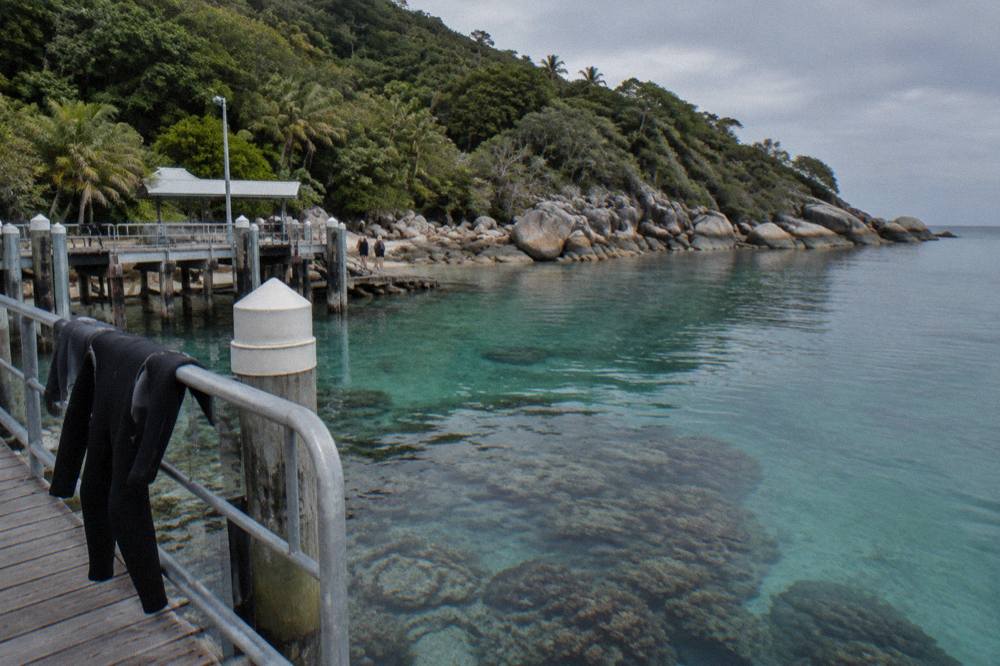
Does the suit change the experience? Not as much as first-time visitors expect. A lycra stinger suit is standard kit on Queensland reef trips and doubles as sun protection, which in the tropics is arguably the bigger daily problem. Travellers who prefer to swim unencumbered, or who are booking for children who dislike suits, should weight the June-to-September shoulder more heavily. Our stinger season and swimming guide covers the suit question, the season and the swimming zones in full.
The month-by-month risk picture looks like this:
| Period | Stinger risk framing | What it means for booking |
|---|---|---|
| June to September | Outside the main advised window; year-round presence still possible | Lowest-risk months for unsuited swimming; suits still sensible |
| October | Higher risk begins, per the resort's season statement | Suit strongly advised; book listings that include gear |
| November to May | Stinger suit advised season | Hire or bring a suit for all swimming and snorkelling |
This is where the listing you choose quietly matters. The Sunlover transfers and tours listing from A$109 per person lets you pick an option that includes snorkel equipment, glass-bottom boat, or a picnic lunch box, and free cancellation applies up to 24 hours before start. The Moore Reef combo at from A$337 takes a different approach to the same problem: its pontoon day includes glass-bottom boat and semi-submersible viewing, ways to see the reef with your body entirely out of the water. Neither listing states whether the Environmental Management Charge, A$8.50 per person for a full day, is inside the price, so check the booking page before you assume.
What About Cyclone Season And The Wettest Months?
The Australian cyclone season runs 1 November to 30 April, so January to March sits at the overlap of peak rainfall, peak heat and cyclone risk. That does not make those months unbookable, but it makes flexible plans and cancellation terms genuinely useful, and it is the main reason they cannot take the best-month verdict despite warm water and low-season crowds.
The Bureau of Meteorology defines the season nationally, and Cairns sits inside the belt where systems form in the Coral Sea. The practical implication for a Fitzroy Island day trip is less dramatic than the words "cyclone season" suggest: ferries are modern catamarans operated by companies that will not sail into dangerous weather, and a genuine approach by a system means a cancelled or rescheduled day, not a risky crossing. The more common wet-season nuisance is the windy, showery week that never reaches cyclone strength but still makes the sea state ordinary.
Recent seasons show both sides. Cyclone Narelle passed through the Northern reef region in March 2026, and the AIMS Long-Term Monitoring Program noted that most of its northern surveys that season were completed before the system arrived. Meanwhile the day-to-day ferry operations from the Reef Fleet Terminal and Marlin Marina continued through the season. Queensland's long-range outlook for the 2026-27 season, issued ahead of the 1 November start, points to warmer-than-usual waters in the Coral Sea and messaging for residents to prepare, which is worth knowing but not worth cancelling a February trip over.
If you do book the wet season, book it defensively. Every listing on the roster carries free cancellation up to 24 hours before start, so a bad forecast two days out costs you nothing but a rebooking. Keep an eye on the Bureau's Cairns forecast in the final 48 hours, and prefer listings with indoor-ish options, like the glass-bottom boat at 9:30am and 3:00pm, which runs from the island in most conditions short of a warning. The two-island day at from A$196 per person is a poor wet-season bet simply because it splits your weather exposure across two destinations and a longer day.
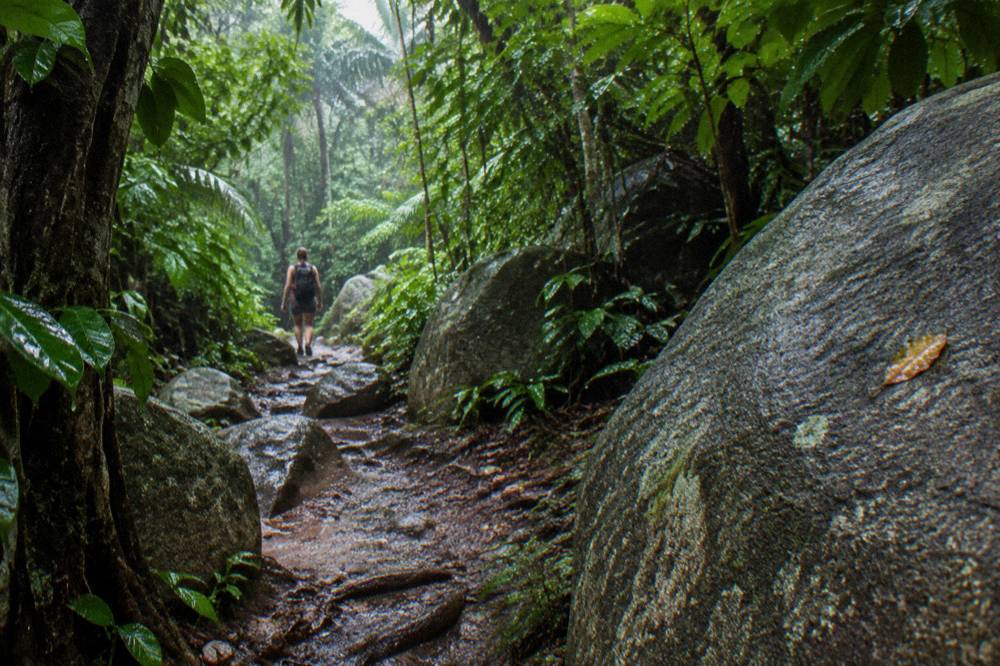
There is an honest counter-argument for the wet months. Crowds thin, the rainforest is at its most vivid, and the island's four Queensland Parks walks, from the 700m Secret Garden circuit to the 3.6 km Lighthouse Road, are far more pleasant at 30 degrees under cloud than in dry-season full sun. Queensland Parks lists alerts for track conditions, and checking them before walking is the standing advice in any season.
Is The Reef In Better Condition At Some Times Of Year?
Reef condition changes year to year more than month to month, and the official reporting for 2025-26 is encouraging: hard coral cover in the Northern Great Barrier Reef rose to 35.1%, above the long-term average of 27.0%, and August 2026 sea surface temperatures sat close to long-term averages. No month of the calendar reliably buys you better coral.
The Australian Institute of Marine Science surveys 121 reefs for its annual condition summary, and the 2025-26 report describes the northern region, which includes the Cairns offshore band, as showing the start of recovery from the 2024 mass bleaching event. The reef authority's health update into September 2026 recorded low bleaching on a small number of northern reefs and sea temperatures tracking near average. These are region-wide measurements, not Fitzroy-specific readings, and no recent site-specific health report exists for the fringing reef off Welcome Bay and Nudey Beach, so an honest page will not claim one.
What you can say is that the underwater experience around the island is described by Queensland Parks as a fringing reef explorable from two named locations, Welcome Bay and off Nudey Beach, with other spots around the island flagged as potentially dangerous due to strong currents. When you go matters less for coral than heat does: the bleaching risk that drives reef health peaks in the summer months, which is one more quiet mark against February and one more quiet tick for the June-to-October stretch.
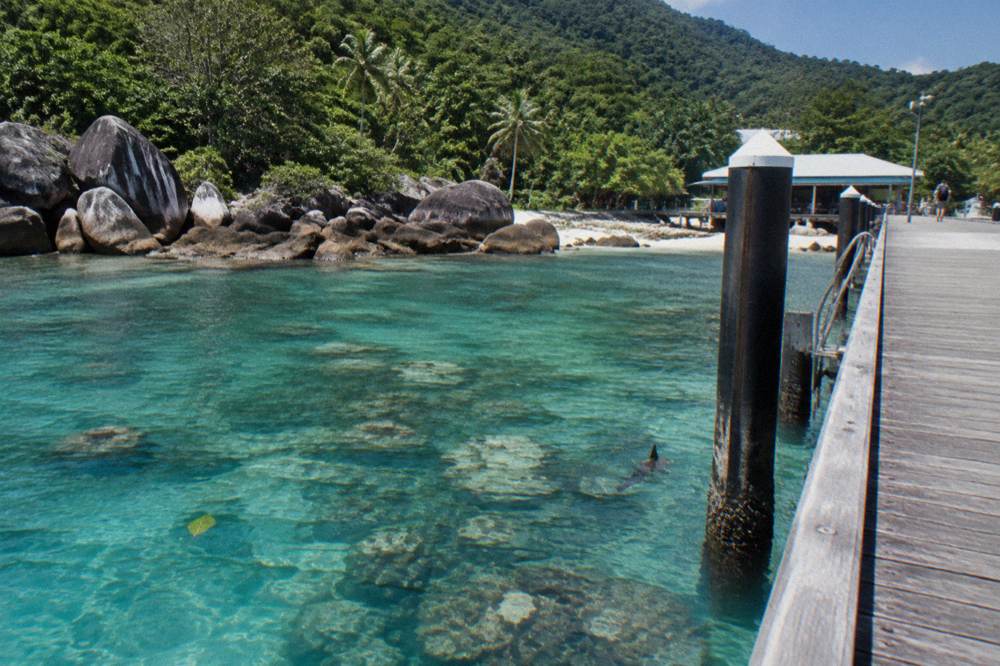
For travellers whose priority is the water, the guided snorkel safari at from A$168 per person pairs the ferry with a 10:00am guided session and snorkel hire held for the whole day until 4:00pm. Its rating of 4.2 comes from a modest 43 reviews, so treat it as a small-review-pool listing rather than a proven favourite. The two-day reef and island packages, from A$375 per person, split the outer reef and Fitzroy across two days and include lunches on both, which spreads your weather risk nicely across a stay.
Which Month Should Families And Budget Travellers Pick?
Families get the best combination in the June-to-September school-holiday-adjacent window, when stinger risk is lowest, rain days average under six and walking tracks are comfortable before 10am. Budget travellers should watch the calendar less than the listing list: prices are flat year-round, from A$88 for a half day to A$105 to A$109 for full-day ferries, so the cheapest month is simply whichever you can book early.
Because the roster does not run seasonal pricing, the real budget lever is structure. The morning and afternoon half days at from A$88 per person are the cheapest listed products, 5 hours and 4.5 hours respectively, both with the return ferry included and both carrying a small review pool of 15 and 18 reviews. The 11am ferry day with snorkel equipment included, from A$129 per person, suits a family that wants a later start and gear sorted, though its 4.0 rating comes from just 8 reviews. The most reviewed listing on the roster is the Fitzroy Island Adventures full day, 4.5 from 1,990 reviews at from A$108 per person, and that depth of feedback is worth something when you are booking for children.
| Listing | From (per person) | Rating (reviews) | Day length | Best month fit |
|---|---|---|---|---|
| Flyer morning half day | A$88 | 4.1 (15) | 5 hours | Wet season, shorter exposure |
| Sunlover ferry transfer | A$105 | 4.4 (256) | 6.5 to 7.5 hours | Dry season full exploration |
| Fitzroy Flyer full day | A$105 | 4.7 (139) | 10 hours | Dry season, maximum island time |
| Adventures full day | A$108 | 4.5 (1,990) | 8 hours | Any month, family default |
| Snorkel safari | A$168 | 4.2 (43) | 10 hours | Dry season water clarity |
For families, timing inside the day matters as much as timing inside the year. The stinger question, the walks and the practicalities of the jetty are covered in our Fitzroy Island with kids guide. In month terms, avoid the January-to-March overlap if your children are small and heat-sensitive, and remember that under-18s on the Fitzroy Flyer must travel with an adult, a roster-independent rule that shapes family planning in every month.
Budget travellers with date flexibility should also read the booking question honestly: dry-season dates are the most in demand, and the ferry can fill on Queensland school holidays. Our piece on whether you need to book the ferry in advance works through the timing in detail. The short version is that September and October reward early booking precisely because they are the best months.
The Verdict By Month, Ranked
September wins, October second, August third, June and July next for cooler-weather travellers, then May and November as shoulder-value picks, April after it, and December through March last on weather grounds despite warm water and thin crowds. Every one of those months still runs the same boats at the same prices, and plenty of travellers happily visit in the wet season with a good forecast and flexible plans.
Here is the ranking with its reasoning, compressed. September: driest-month statistics, warm but not peak heat, stinger risk at its lowest ebb, calmer seas. October: nearly as dry, warmer water, but the resort's higher-risk stinger period begins, so suits move from optional to advised. August: the driest month on paper at 26.5mm, edged out only by cooler mornings and peak dry-season crowds. June and July: excellent reliability, at 17 to 18 degree mean minimums, carry a jumper for the boat deck. May and November: transitional months that trade a few more rain days for quieter beaches and softer light. April: still 201.8mm and 14.5 rain days on average, a wet-season tail. December to March: warm, green, uncrowded, and exposed to the season's rain, heat and the formal cyclone window.
Whatever month you settle on, Fitzroy Island Tours exists to make that choice a booking rather than a guess, and the trio below covers the three most common answers: the flexible Sunlover ferry, the most-reviewed full day, and the late-start day with gear included.
Common Questions About The Best Month To Visit Fitzroy Island
What is the best month to visit Fitzroy Island?
September is the best month, with October close behind. September averages 34.1mm of rain over 4.9 rain days, holds daytime maxima near 28.2 degrees, sits outside the main stinger-advised window, and falls in the calmer dry-season stretch for the 45 minute crossing.
Is Fitzroy Island worth visiting in the wet season?
Yes, with conditions attached. January to March averages between 404.8mm and 437.5mm of rain and sits inside both the November-to-May stinger-advised season and the cyclone season that runs 1 November to 30 April. Rain often falls in heavy bursts rather than all day, crowds are thin, and every roster listing carries free cancellation up to 24 hours before start, so a flexible plan manages most of the risk.
What is the cheapest month to visit Fitzroy Island?
Every month costs the same on the roster: listing prices run year-round, from A$88 per person for the half-day ferry trips to A$105 to A$109 for full-day ferries. Your budget lever is which listing you pick, not when, though dry-season dates and school holidays can sell out and reward early booking.
When is stinger season at Fitzroy Island?
Stinger suits are advised November to May, with higher risk from October, though the resort notes box jellyfish and Irukandji may be present year-round. Suits are available to hire, reef operators supply them, and the lowest-risk months for swimming are June to September.
Which month has the best weather for snorkelling?
June to October delivers the driest, calmest conditions on average, with July and August the driest months and September and October the warmest of that dry stretch. No month comes with a visibility or sighting promise: conditions vary day to day, and Queensland Parks names Welcome Bay and Nudey Beach as the snorkelling locations, with other spots flagged for strong currents.
Are ferry tours cancelled in bad weather?
Operators do not sail into dangerous conditions, and a genuine weather event means a cancelled or rescheduled day rather than a rough crossing. Every listing on the roster offers free cancellation up to 24 hours before start, so check the Bureau of Meteorology Cairns forecast in the final 48 hours and rebook if the outlook turns.